A morning at the arena
On a breezy Saturday, I viewed an eight-year-old named Max walk a shaggy bay pony named Cricket with a labyrinth of cones. Max had actually gotten here humming, words racing, tennis shoes touching. Cricket breathed like a metronome. After ten minutes of grooming, the touching reduced. Max and Cricket triggered, one action, after that one more, circling around a blue cone, pausing at a red one. Max counted the horse's footfalls, then his very own. By the end, he stood a little taller. His mother mouthed thanks. We hadn't "fixed" anything. We had actually practiced attention with a living companion that provided immediate, honest feedback.
That is a common snapshot of ADHD equine discovering assistance. It is not magic and it is not a cure. It is practical, interesting, and extremely physical. Equines provide youths and grownups a method to rehearse the skills ADHD makes hard, in a place that feels like recess yet works like a lab.
Why equines assist with focus and regulation
Horses read the world through feeling. They notice the tiniest shift in stance, breath, or muscular tissue tone, and they reply to it. For someone with ADHD, that high level of attunement welcomes focus back right into the body. You do not have to sit still to pay attention, you can relocate, feel the lead rope, watch an ear flick, pick up the sway of a ribcage. The feedback is constant and concrete. Ask a horse to halt with excessive pull and the equine raises a head and dental braces. Soften your hands and exhale, and the steed offers a soft stop. You feel the difference right away.
Three devices come up over and over in technique. Initially, novelty and obstacle. Equines are interesting. They transform every session, and they require you to adjust. That uniqueness lights up interaction without a display. Second, embodied timing. Matching your actions to a stroll rhythm, or counting 3 breaths while you stroke a neck, develops the internal clock ADHD frequently scrambles. Third, natural effects. If you rush a job, a curry comb smashings, the horse shifts away, the plan falls apart. If you manage your rate, the horse works out and the task goes smoothly. That cause and effect lands.
None of this changes medical care or individualized therapy. Equine-assisted solutions include a distinct context. For some, that context allows abilities stick.
ADHD through an equine lens
In my barn log, I write 3 words frequently: move, discover, decide. Those 3 verbs frame how we create equine-assisted activities for focus differences.
Move. ADHD minds often concentrate much better with kinesthetic input. Leading a horse, hefting a saddle pad, stabilizing on a placing block, those activities feed the vestibular and proprioceptive systems. Activity works out numerous nerve systems that obtain overloaded in workdesks and fluorescent lights.
Notice. Interest is not just concerning staring at a worksheet. It is the ability to sense what issues now. Equines educate discerning attention by need. If you view the ears, you catch where interest goes. If you notice the breathing, you adjust your very own. If you disregard the equine and concentrate on the cone, you miss the signal that the horse wishes to stop at eviction. We train what to see and when.
Decide. Exec function obtains exercised in every job. Which halter fits this horse? Do we take the steep hill or the crushed rock path? Can we finish a pattern if the wind picks up and a tarp flaps? Deciding in a slow, actual setting where outcomes show up builds judgment and confidence.
When these components line up with a person's goals, restorative horsemanship becomes a trustworthy container for technique. The goal could be smoother early mornings in the house, much better transitions in course, less reactivity in problem, or simply more secure, happier time around animals. We select the horses, the activities, and the pacing to support that.
What a session looks like
Equine-assisted training for ADHD normally runs 45 to 60 mins. Shorter for kids or busy days, much longer for teens and adults when attention holds. I map sessions in arcs: arrival, regulation, ability, stretch, reflection. The steed's demands sit inside that arc.
Arrival offers room for large power to show up. I do not require peaceful. We stroll the barn, say hello to the herd, and inspect a white boards for the strategy. If someone needs to bounce, we bounce. If somebody is available in low and sleepy, we start with something tactile.
Regulation frequently begins with grooming. A rubber curry in circles over large muscle teams, a stiffer brush on sloppy spots, a soft brush over the face line if the steed appreciates it. We coach stress, speed, and rhythm. Grooming aids the equine and tells me regarding the participant's pacing, stamina, and touch. For some, breathing with the steed is the anchor. Place a hand on a ribcage, count inhale, count exhale, discover your very own breath discovering the very same length.
Skill can be as straightforward as leading with an entrance securely or as split as riding a stroll trot change level while calling out left, right, right at pens. The factor is clear. If the goal is impulse control, the ability may be halt at cones on a count of 3. If the goal is working memory, the skill may be a sequence of obstacles to finish in order without prompts. We maintain demands tight and success frequent.
Stretch is where we evaluate the edges. Include disturbances like ground posts with different colors, add a brand-new horse, or add a time aspect like coating before the song finishes. Stretch is where the ADHD experience turns up the majority of. If hyperfocus locks in, I may need to see to it hydration and breaks occur. If distractibility spikes, we diminish the field or alter the task.
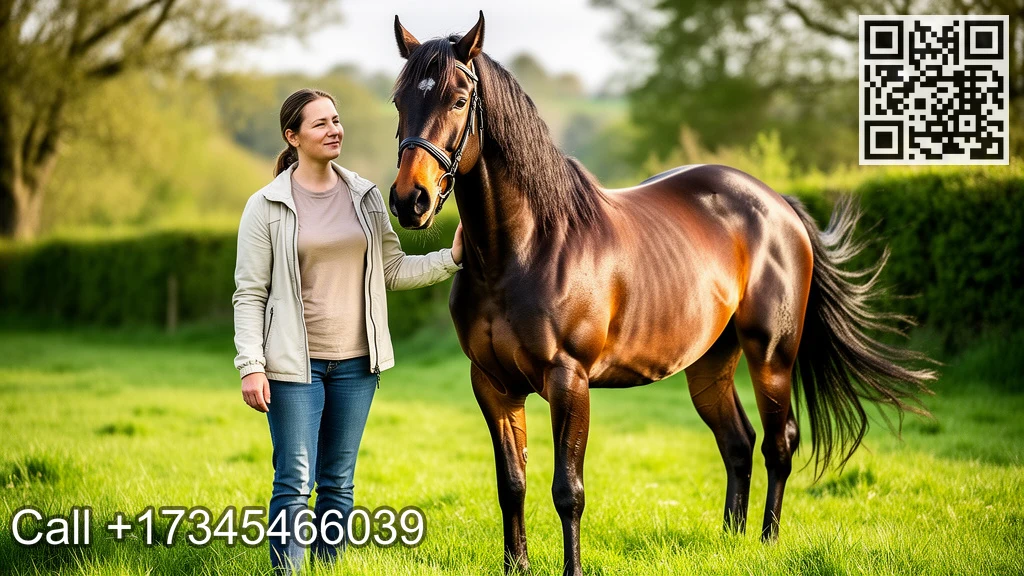
Reflection is brief and straightforward. What worked today? What did the horse educate you? What will you try this week? We use actual words, not treatment lingo. Often, the steed leaves the largest perception. I still listen to a teenager's voice months later on: When I tightened my jaw, she accelerated. When I softened, she took a breath. I can do that with my sister.
A first see, without the guesswork
- Safety walk through the barn and paddock gates, including just how to review posted indicators and when to request for help. Meet the equines from outside a fencing line, learn names and a few character notes, and method asking an equine for consent to approach. Handle a halter and lead rope on a barrel or dummy head, then on a silent steed with a coach. Groom with a series and a clear beginning and finish, stopping to notice what each tool does and how the equine responds. Lead through a simple pattern like a U shape, practicing stops, starts, and turns using clear body cues rather than pulling.
This list gives a scaffold. It additionally exposes where focus holds and where assistance is needed.
One easy exercise: the cone square
- Set four cones in a square concerning 15 feet apart. Begin at one edge with your horse on a lead. Walk the beyond the square. At each corner, quit and count three breaths aloud with the horse standing beside you. On the second lap, add a direction adjustment at each corner, switching over sides as you transform, keeping hands soft and shoulders tall. On the 3rd lap, call out a shade you see near the sector at each corner to invite scanning without shedding the pattern. Finish with a final stop in the beginning corner, then back up 2 actions with each other, breath first, after that light ask on the lead rope.
This tiny course packs emphasis, working memory, restraint, and versatility into five minutes. It also gives the equine quality and rest in the corners, which maintains the partnership calm.
From sensory overload to curiosity
Many students with ADHD ride the side between sensory looking for and sensory overload. Barns can be both calming and stimulating. Leather squeaks, hay smells wonderful, swallows dive under rafters. A tractor may clank. That mix is a possibility if you do not flooding the system.
We plan the sensory diet of each session. Huge muscle job early commonly helps: push a hay cart with the trainer, pile three tiny bundles, carry grooming devices in a pail. Deep stress from brushing a big shoulder can feel settling, like a weighted blanket that moves. Somatic recovery with equines is not mystical. It is about safe call, sluggish breath, and co-regulation with an additional mammal. I have actually seen shoulders decline and jaws unclench after sixty secs of hand on withers. I have also seen a kid surprise at a sneeze and require a peaceful tack space for a minute. Both are typical. We rate it.
If an individual has considerable sound level of sensitivity, we schedule during quiet hours and maintain songs off. If responsive defensiveness is present, we offer brushing handwear covers, softer brushes, and control over how long touch lasts. Alternate therapy for sensory difficulties does not imply neglecting discomfort. It implies seeing it and selecting inputs with consent.
Groundwork before riding
Not every ADHD student needs to ride to profit. In numerous programs, groundwork lugs the whole treatment. Haltering, leading, obstacle courses, liberty work in a pen, and feeding routines offer all the elements of experiential learning with steeds without accumulating. For some, that is more secure and much more effective, particularly early on.
When riding becomes part of the strategy, healing horsemanship keeps it structured. Placing happens with a block and a constant side pedestrian when required. Rein holds obtain instructed plainly. We utilize aesthetic pens in the sector to sign modifications. Brief trot sets with walks in between hold focus and protect the equine's back. We include games that make sense, like ring toss at the stroll to practice objective and perseverance as opposed to chaos that amps arousal.
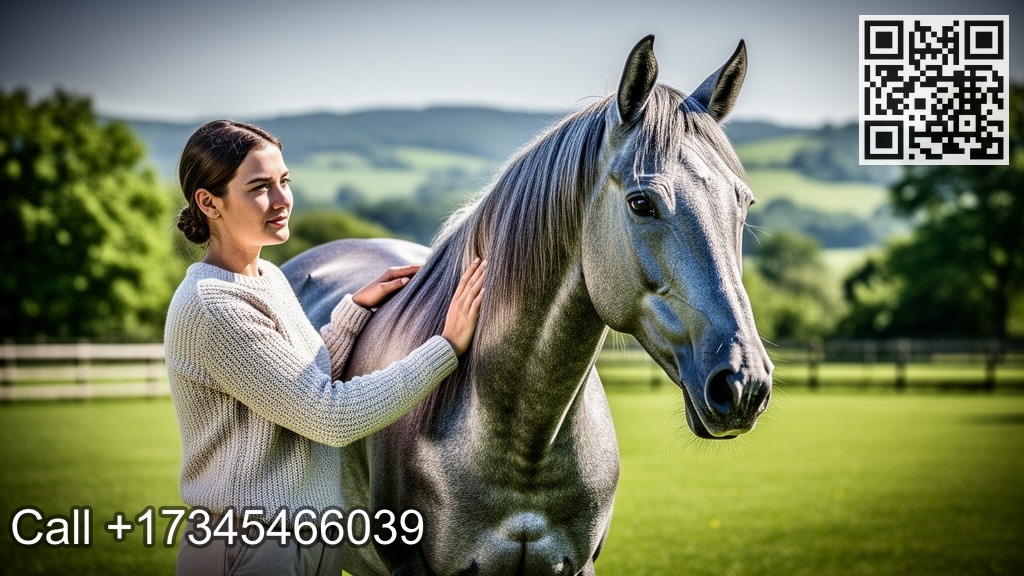
Teens often take pleasure in option. Two equines to contrast, various patterns to try, or a route loop versus sector time. Grownups may come looking for anxiety assistance with steeds as a buddy to ADHD monitoring. Riding then ends up being a mindfulness method in motion. Just how does your seat affect the walk? Can you really feel a back leg land? Can you ask for a transition with breath and core prior to hand? Those mini skills convert to conferences and family suppers greater than you may expect.
How equine-assisted coaching fits with other supports
No barn plan should exist in a vacuum. Equine-assisted services function best when they rest together with various other supports. Medicine, if used, must be stable throughout the initial weeks so we have a consistent standard. Work therapy goals can inform our sensory choices. Class holiday accommodations can be resembled right here, like aesthetic routines or checklists.
I ask moms and dads, teachers, or adult individuals for a straightforward target. Examples: smoother transitions from liked to non favored tasks, sticking with a task for 10 mins without tips, taking care of frustration without shouting, sleeping better. The barn becomes a rehearsal room. We develop a bridge in between an arena success and a home job. If you can lead Cricket to the red cone and wait for his head to reduced prior to walking on, you can close your laptop computer, breathe out, and stand before you answer a message. It is the same muscle.
Group job and social learning
Small teams in a field can be powerful. Team building with horses gives peers a means to practice interaction that is prompt and low on pretense. Try asking 3 center schoolers to relocate a horse around a ring without touching it, making use of only body language and voice. Someone will take fee too quick, somebody will certainly hang back, and someone will certainly make a joke. The steed will certainly react to the most meaningful strategy, not the loudest one. That reality degrees the social field.
Group sessions likewise aid with turn taking, waiting, and joint problem addressing. They can also expose triggers. We keep team dimensions tight, frequently 2 to 4 participants, and place them attentively. In an autism equine learning program, as an example, sensory profiles drive grouping much more than age. With the right mix, social discovering feels like play.
Ethics, safety and security, and the steeds' welfare
Horses are not tools. They are partners with requirements, restrictions, and preferences. Moral equine-facilitated wellness listens to those limits. We select equines with calm personalities and provide varied work, herd time, and rest. We retire or retrain steeds that reveal consistent anxiety. We claim no to sessions that stack a lot of demands in a day. Informed approval issues for people and for horses, and approval is a recurring conversation.
A word on safety and security. Headgears are non flexible for riding and often recommended for foundation with newbies. Boots with closed toes and a specified heel assistance. Rings, headscarfs, and dangling bands obtain removed. Grownups model safety, not with anxiety, yet with simple practices that lower risk. Gains in focus mean little if someone gets tipped on since we cut corners.
Who benefits, and where to be cautious
I have seen advantages across ages. 7 to twelve is a pleasant spot. Youngsters have adequate sychronisation to manage a lead rope, sufficient imagination to engage in games, and enough plasticity to develop practices fast. Teenagers may connect even more to partnership and obstacle. Adults usually show up cynical and leave stunned at how much an equine's mirror teaches.
There are times to pause or readjust. If an individual has a history of significant aggressiveness toward pets, we go sluggish and could start with monitoring from a distance, or we might select not to continue. Serious allergies can be managed with planning, yet occasionally they are a difficult quit. If a person's sensory defensiveness is severe, we might need an indoor area initially to develop tolerance before the barn.
Medication changes can generate choppy sessions. Much better to wait two to three weeks after a modification before evaluating progression here. Unstable family members stress and anxiety can splash right into the sector. We do not tear, but we do address the psychological tone and might reduce or simplify when bandwidth is low.
Choosing a program and asking excellent questions
Look for credentials and clearness. Experts might originate from a number of paths. Some are licensed in therapeutic horsemanship with additional training in psychological health and wellness. Some are qualified specialists that partner with seasoned equine professionals. Some supply equine-facilitated training with solid behavior and finding out backgrounds. Any one of those can function if the group values extent of method and collaborates well.
Ask how steeds are selected for the work and how their welfare is kept an eye on. Inquire about progress monitoring. It does not need to be a pile of forms. An easy scale for goal actions integrated with session notes suffices. Ask exactly how they change for sensory requirements, stress and anxiety spikes, or crisis minutes. If you listen to rigid manuscripts without room for the person or the equine, maintain looking.
What progression looks like in genuine terms
Progress is rarely a straight line. Early sessions commonly reveal fast victories, after that a plateau, after that a deeper change. In numbers, I have a tendency to see enhancements after four to 6 sessions, with more clear, extra sturdy modifications by the tenth to twelfth, specifically when home and college strengthen the same behaviors. For grownups, the timeline can be shorter if the objectives specify and technique takes place between visits.
Look for indications like smoother transitions within a session, fewer spoken motivates needed, cleaner halts and starts, and much more accurate self observation. Outside the barn, parents often report much faster early morning regimens, fewer homework fights, or straightforward things like a child remembering to feed the pet dog without 10 tips. Teens discuss fewer debates and an easier time starting long assignments. Grownups speak about catching themselves before a responsive e-mail and strolling instead.
Setbacks occur. A growth spurt, a brand-new school year, a family adjustment, or a gray winter season can wobble gains. We satisfy that with patience and small actions, not pressure.
Integrating equine learning with school and home
Teachers appreciate concrete bridges. A short video clip of a trainee waiting for a steed to reduce its head before leading on can become a cue in course. Remember your Cricket breath has ended up https://ameblo.jp/lukasagka862/entry-12969284153.html being an expression that travels. Visuals aid, also. A straightforward graph with the cone square made use of it ends up being a preparation device for a workdesk task: edge one, read instructions; edge two, collect products; corner three, do five problems; edge 4, check work.
At home, five minute horse habits convert. Before a change, represent three breaths. Prior to disrupting, placed a hand on your belly. When overwhelm increases, stroll a square in the kitchen area slowly, turning at the corners with a time out. These are not magic either. They are body based routines that build the exact same circuitry we exercise with a horse.
The duty of emotion and attachment
Horses allow, and big typically equates to awe. Awe can silent noise in the brain long enough for finding out to insinuate. Accessory to a certain steed issues. When a youngster claims, I don't want to allow Maple down, you have a powerful ally for developing willpower. We never ever use that bond for stress. We use it as a motivator to practice well. Connection has to remain clean. If an equine moves to a various field or retires, we speak about it truthfully and help with the goodbye.
For anxiousness living close to ADHD, horses supply a consistent outdoors rhythm to match. Lots of cyclists and handlers report their own heart price reducing as they stroll with an equine. You do not have to name it. You can feel it. Anxiousness assistance with equines does not imply direct exposure to fear. It means discovering a partnership where worry can resolve since cue and action are clear, fair, and kind.
What the equines gain
Programs worth their salt design for the horses as well. Varied work, days off, herd life, and the ability to say no. Many of the best teachers on 4 legs are not saints, they are honest. They leave when a cue obtains as well harsh. They sigh if you hurry. They brighten when you scrape the best spot. That sincerity helps humans discover much faster. In return, steeds get constant, respectful handling and an area that sees them as individuals.
Beyond ADHD: large doors, certain paths
Barns see several learners. While this short article focuses ADHD, the same setting supports various other accounts. An autism equine discovering program might weight predictability even more and keep the environment even easier. Trauma aware job may restrict touch and alter the pacing of technique. Equine-facilitated mentoring for teams shifts the emphasis to interaction and management. The common thread is experiential discovering with horses, tailored to clear goals, supplied by a group that knows its lane.
If you are selecting where to start, start with your objective. If executive function and self regulation sit at the heart of your demands, ADHD equine learning assistance inside a healing horsemanship framework makes good sense. If your objectives are extra regarding profession, collaboration, or leadership, group structure with equines and equine-facilitated mentoring might fit better. If your priority is body centered regulation and stress relief, equine-facilitated wellness with a focus on somatic recognition may serve you well.
Getting started
If the idea of a barn class resonates, take one easy action this week. Visit a regional program, watch a session, and observe the tone. You will certainly feel whether the environment sustains interest or shuffles it. You will see whether equines look curious and soft eyed, or checked out and heavy. Trust fund what you see.
Make area for the initial couple of sessions to be regarding connection more than results. Actual skills show up quickly when individuals feel risk-free, recognized, and engaged. Maintain lines open amongst the grownups, celebrate little success, and let the horse instruct. Interest expands at work, one breath and one step at a time.